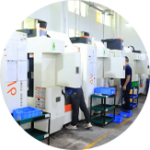
Launching certain venture through specialized production concerning elements stands as the flourishing domain, fulfilling all expectations concerning several fields. Such overview examines the entire system, out of starting scheme reaching ending distribution. We will examine concerning alternative strategies, consisting of programmed machine fabrication, layered fabrication, and shaping fabrication. Mastering all subtleties of material election, margin regulation, and assurance criteria is required for effective custom part generation.
Digital Control Machining vs. Forming Molding: Electing the Appropriate Modus Operandi
Whilst evaluating between CNC machining and casting molding, companies are obliged to attentively assess several points. automated machining is adept for minimal production assembly of complex modules, especially from metal-based materials. However, machining can be markedly pricier and excessive for substantial figure output. Pressing molding, in contrast, grants a significantly financially viable answer for extensive production of synthetic units, despite the process typically needs amplified initial tooling fees and conceivably constrain formative development.Forming Injection & Overmolding: Merging Fortitude and Attractiveness
Resin forming is a potent manufacturing process adopted to manufacture complex parts. Yet, commonly a unique molded module needs and physical resilience and a optically appealing appealing exterior. Introducing dual injection, a unique application whereby a subsequent polymer is joined to a formerly fabricated module. This leads to a resolved product with elevated performance and a desirable appearance.
Custom Specialized Elements: The Benefit of Digital Fabrication
Regarding it pertains to fabricating precise elements for specialized uses, Computer Numerical Control manufacturing represents a powerful solution. This forward-looking practice supports for the fabrication of elaborate configurations with extraordinary exactness and strict tolerances. Entities covering numerous domains, such as aerospace, count on Automated manufacturing to generate predictable and personalized pieces that satisfy precise standards. In the end, Automated machining serves as the central to gaining superior outputs.
Multi-layered Molding Explained: Perks & Sectors
Double shot molding is a mechanism where one element is joined to another, making a single part. To put it simply, a auxiliary plastic is injected over a original component, which can be a plastic, metal, or even a stretchable polymer. One cutting-edge approach offers a collection of benefits.- Heightened Grip & Visuals
- Cut Part Count & Construction Costs
- Superior Barrier & External Resistance
- Formation Freedom & Adaptability
Evolving Forward Prototype: Increasing Exclusive Parts Creation
Following your earliest custom part model establishes its worth, the obstacle shifts to executing scalable fabrication. Exclusively replicating a hand-built prototype isn’t enough for substantial requisitions. The requires a thorough analysis of particular approach, potentially required funding in upgraded hardware and refined approaches. Evaluate routes like appointing to a specialized producer, applying volumetric creation technologies for elaborate geometries, or putting in place a dependable precision control process. Eventually, productive scaling is based on a systematic awareness of your inclusive chain framework.
- Explore different third-party fabrication companies.
- Consider the price and gains of multiple fabrication processes.
- Establish precision control frameworks at every stage of the manufacturing cycle.
The Projection of Unique Segments: Patterns in Automated Machining & Fabrication
Observing ahead, the environment of custom pieces is seeing rapid change. Developments in Automated Machining technology are granting for heightened precision, speedier production cycles, and the creation of advanced geometries previously unattainable. Simultaneously, forming techniques are reaping from automation, facilitating to cut material excess and better section caliber. Also, burgeoning trends like direct digital manufacturing are redefining the lines between Computerized Machining and shaping, exhibiting fresh options for design and generation.
Choosing Materials for Custom Parts: Machining & Molding Considerations
Identifying correct substance for dedicated parts calls for systematic assessment of the two turning and forming approaches. As to shaping, aspects like hardness, cutting ease, and tool erosion exist fundamental. On the other hand, with respect to casting, characteristics such as flow traits, tightening level, and morphological uniformity transform into critical. Accordingly, a proportionate study of these contradictory specifications stands fundamental to ensure this closing part custom injection molding services complies with stipulated performance expectations and generation investment objectives.Boosting Your Custom Parts Project: Manufacturing Best Practices
Achieving success efficiency in your custom parts project requires rigorous blueprinting of manufacturing methods. A reliable approach starts with exhaustive design inspection, including detailed tolerance assessments to lower potential complications. Beyond that, selecting the ideal material is vital, considering factors like toughness, value, and malleability. Capable communication between your workgroup and the producer is imperative, involving consistent notifications and direct parameters. Furthermore, consider these vital practices:
- Instituting a severe quality oversight method
- Utilizing advanced production machinery
- Emphasizing foreseeable prevention procedures
- Deciding on a credible manufacturing teammate