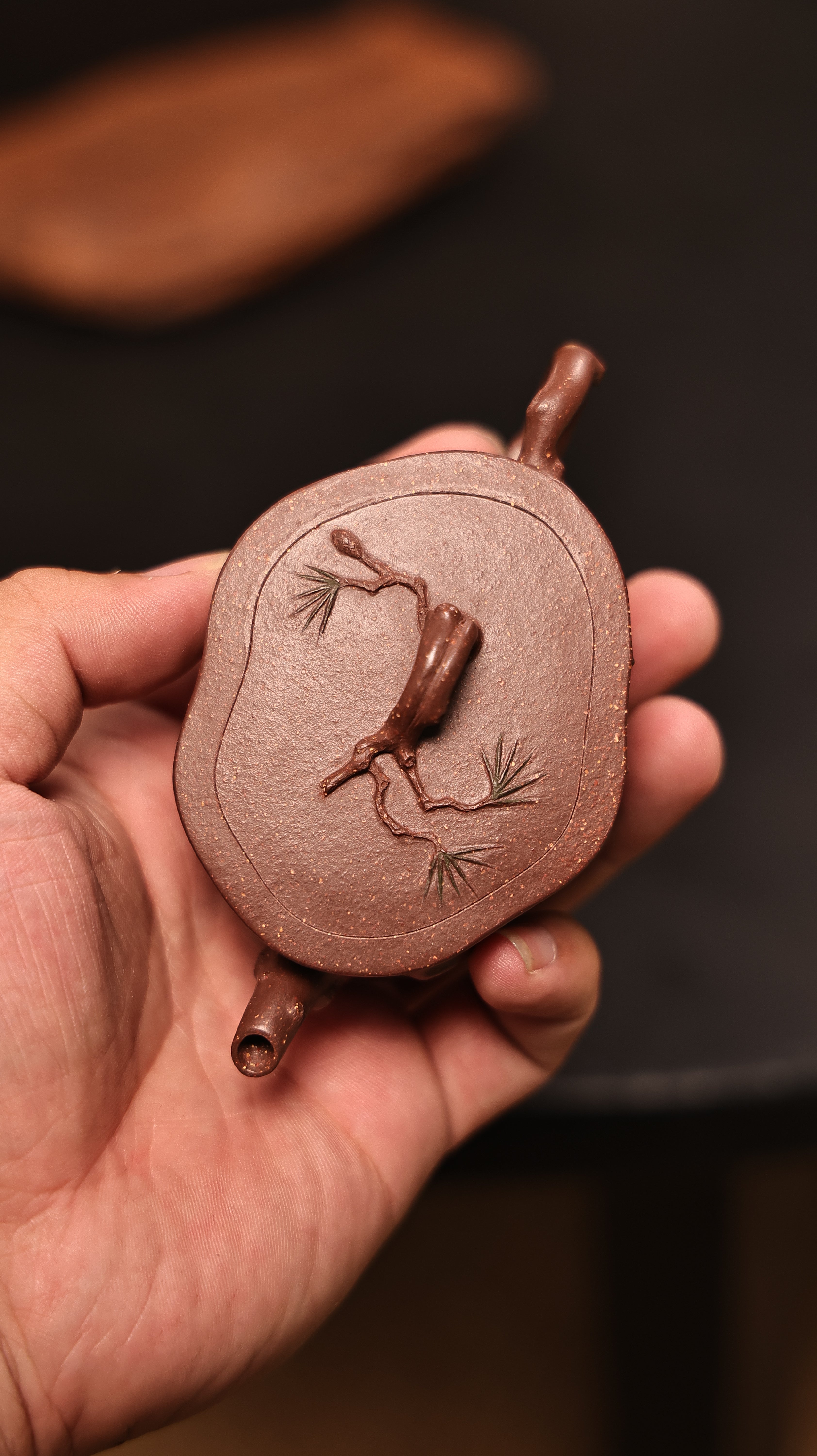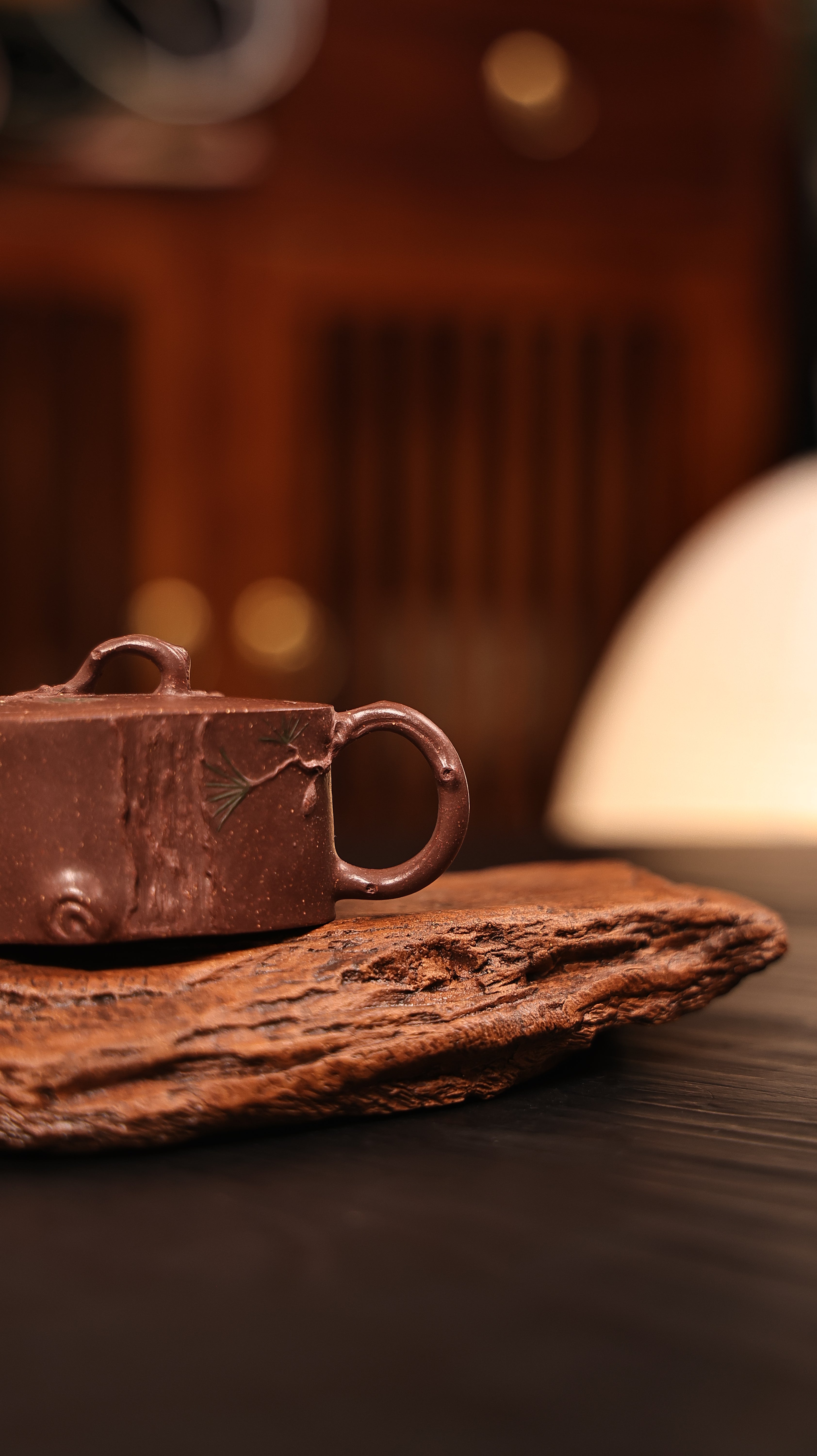
Within the sphere of enduring traditions,
Within ages, admirers have been mesmerized by the distinctive charm of Yixing Zisha containers. Originating from the district of Yixing in Jiangsu, these pieces are renowned for their outstanding beauty, infrequent clay, and innate ability to boost the palate of the concoction. The ground's distinctive mulberry hue, combined with the skillful workmanship of Yixing's potters, creates objects that are both functional art and valuable investments. Acquiring a Zisha teapot is more than just a purchase; it's embracing a rich civilizational heritage.
Examining Yixing Teapots: Saga, Styles, and Cost
Celebrated Yixing teapots manifest a extensive heritage deeply intertwined with Chinese culture. Emerging in the Yixing region of Jiangsu province, these clay vessels boast a heritage extending back to the Ming Dynasty. Initial examples were functional, but over centuries, Yixing teapot building evolved into an esteemed art form. The clay itself, known for its unique vitality and ability to raise the flavor of the tea, endures a defining factor. Yixing teapots appear in various forms, broadly categorized by shape: Historic such as Zhuni (purple clay) and Bisheng, as well as refined designs. The merit of a Yixing teapot relies on several factors, including the potter’s reputation, the age of the piece, the rarity of the clay, and its aesthetic elegance.- Record: Old ages
- Substance: Various types
- Pricing Criteria: Artisan fame
Zisha Pot Creation: Methods and Potters
That production of a bona fide Zisha teapot is a complicated process, requiring generations of experience. Seasoned artisans meticulously source the excellent Zisha clay, a exclusive earth found only in specific regions of China. Time-honored techniques, often relayed through families, involve meticulous shaping, subtle carving, and methodical firing in ancient furnaces. The end teapot isn't merely a pot; it's a testament to design vision and the meaningful connection between the sculptor and their ancestry. Each piece showcases the distinctive touch of the maker, resulting in a truly matchless work of art.
Ancient Pottery: Delving into the Deep Cultures of Yixing
Historic Yixing, located in Jiangsu the Zisha Teapot district, is commonly renowned for its exceptional vessels – a tangible representation of centuries of Chinese artisanry. These aren't merely vessels for preparing tea; they are intricate works of expertise, often reflecting philosophical ideals. This unique purple clay, known as Zisha, possesses singular qualities: it dense, absorbent, and imparts a subtle tone to the tea.
- Several households have honed the techniques of Yixing earthenware making, passing down traditional methods through eras.
- Fans prize these pieces for their beauty and infrequency.
- Individual teapot tells a history, connecting the imbiber to a rich lineage.
Purchasing Yixing Zisha: Guiding Points
Upon considering purchasing Yixing Zisha pots, numerous points involve careful attention. To begin with, the soil's tint is key; authentic Zisha conventionally exhibits a pronounced reddish-brown shading. Moreover, assess the workmanship; distinct characteristics and a polished covering signify adept craft. Eventually, analyze the producer's prestige; reputable names yield augmented amounts and often supply a reliable reward.
Artisan Techniques for Brewing Tea in Zisha Pots
Crafting flavorful tea with a Zisha pot is more greater than a simple custom; it's an technique. Zisha clay, acclaimed for its unique physical composition, imparts a gentle character to the finalized tea that’s often unavailable with other wares. The optimal water warmth is vital; typically, moderated than what's used for black tea, to sustain the tea's odor and character. Consider attentively the tea type; delicate green teas or aged pu-erhs advance from the Zisha’s ability to calm their innate edge. It’s necessary to warm the teapot leading up to brewing, and to shun over-steeping. Mastering this method leads to a truly exceptional tea phenomenon.
- Appreciating Zisha Clay
- Warming Level & Variety of Tea
- Significance of Pre-heating
Protecting Your The Ceramic Pot
With the aim of guarantee the life of your cherished Yixing clay pot, systematic preservation is absolutely mandatory. Refrain from using soap; instead, carefully wash it with mildly heated fluid. Avoid rapid heat; please don't put the earthenware directly onto a fiery stand. Periodically, mature the container by immersing it with choice aged steep, as this supports to develop its essence and guards the inimitable essentials of the earth.
With respect to Soil to Chalice: The Process of a Famous Teapot
This creation of a Zisha teapot is a notable technique, a indication to both the earth's bounty and the competence of the artisan. It initiates with the rigorous extraction of the distinctive clay from the mauve Zisha mines by Yixing. This unfired material, known for its remarkable essences, is then slowly filtered and arranged for the first forming. The container's profile is expertly made using a fusion of longstanding wheel throwing processes, often incorporating fancy enhancements. Following drying, the vessel undergoes a decisive first firing, consecutively done by a glazing stage, which might involve several layers of earthy Zisha applications. Finally, a second, and sometimes third, firing at powerful temperatures realizes the object, revealing its finished beauty and fantastic characteristics - a true masterpiece, available to enrich a tea event.
{Yixing Teapots: A Sign of the Legacy and Valuation
Yixing teapots, originating from the renowned Yixing region of Jiangsu province, are far more than mere containers for brewing the beverage; they represent a significant aspect of Chinese artistry. Formed from distinctive purple clay – zisha – these singular teapots are highly coveted for their ability to boost the flavor of the tea and, crucially, for their charm. The past of Yixing teapot making spans centuries, and the artistry involved is conveyed through generations, making each teapot a craftwork that embodies heritage-bound techniques and a profound appreciation for the elegant pleasures in life.