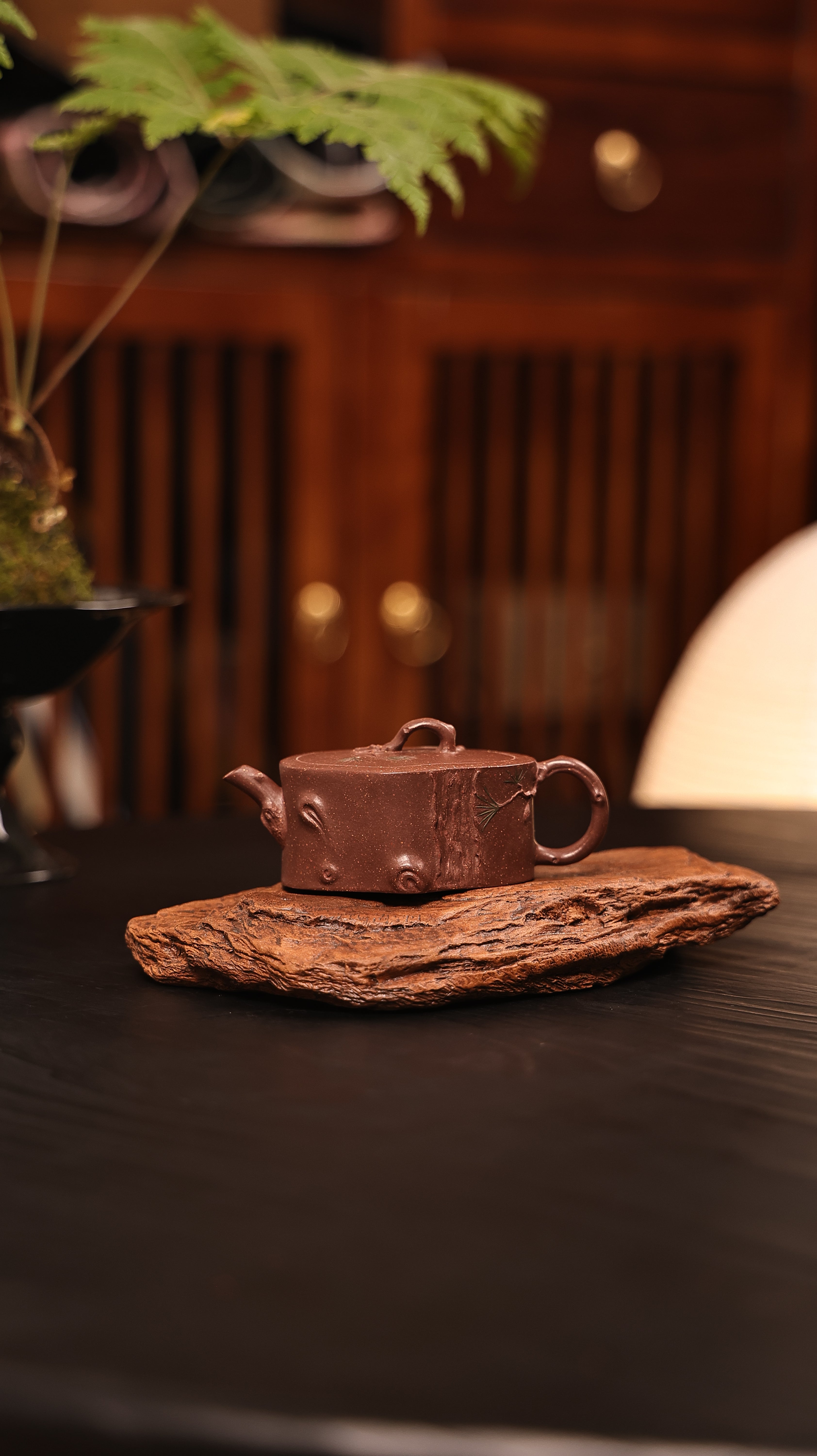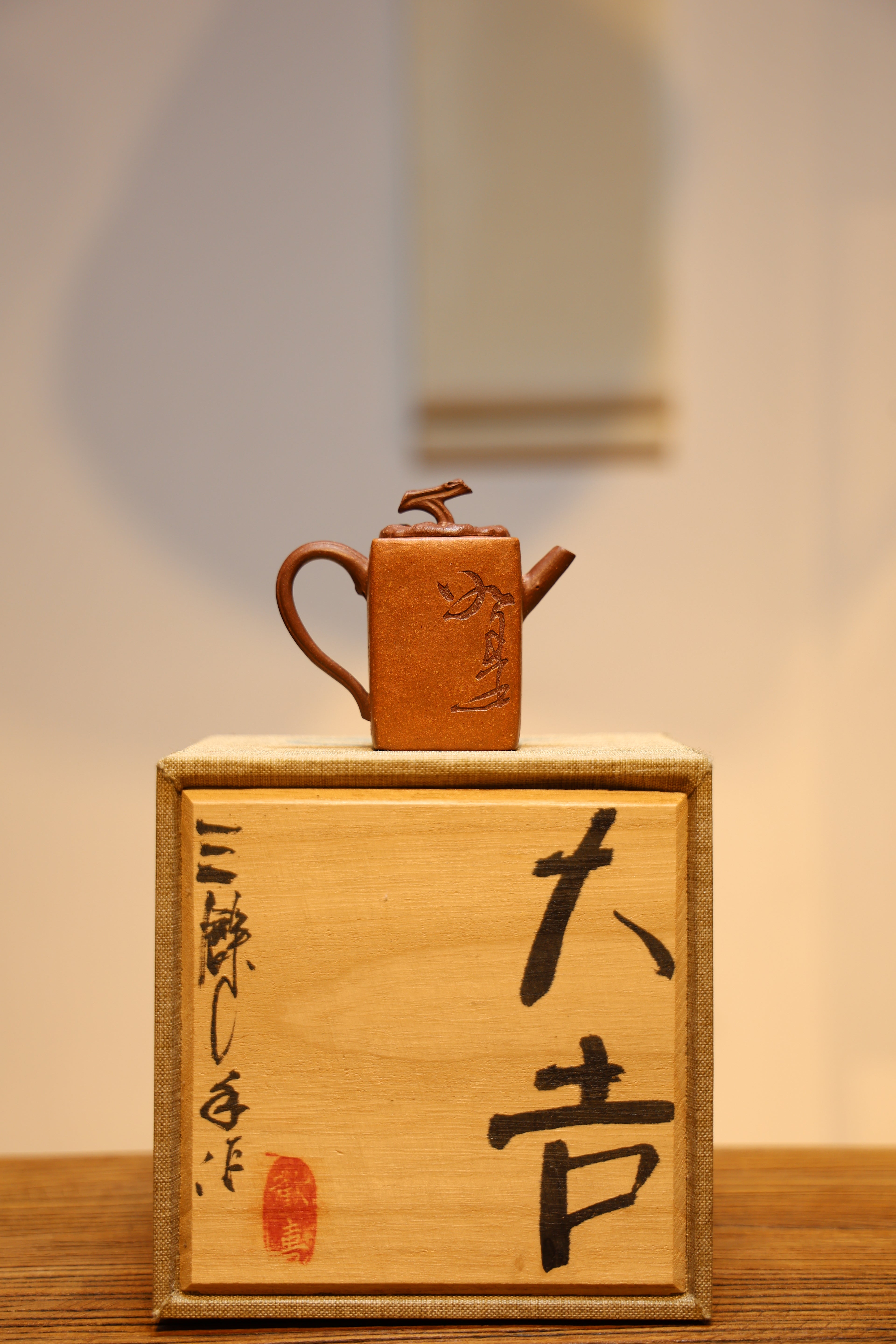
Amidst endless eras of heritage,
For millennia, connoisseurs have been absorbed by the distinctive charm of Yixing Zisha vessels. Originating from the territory of Yixing in China, these wares are renowned for their notable beauty, infrequent clay, and innate ability to boost the essence of the drink. The ground's distinctive auburn hue, combined with the proficient manufacture of provincial creators, creates creations that are concurrently functional crafts and esteemed properties. Gaining a Zisha teapot is more than just every purchase; it's accepting a rich heritage heritage.
Exploring Yixing Teapots: Background, Types, and Esteem
This Yixing teapots are a notable chronicle deeply intertwined with Chinese culture. Deriving in the Yixing region of Jiangsu province, these clay vessels hold a heritage extending back to the Ming Dynasty. Initial examples were functional, but over centuries, Yixing teapot forging evolved into an esteemed art form. The clay itself, known for its unique composition and ability to augment the flavor of the tea, remains a defining factor. Yixing teapots materialize in various models, broadly categorized by shape: Timeless such as Zhuni (purple clay) and Bisheng, as well as specialized designs. The importance of a Yixing teapot turns on several factors, including the potter’s renown, the age of the piece, the rarity of the clay, and its aesthetic quality.- Story: Old ages
- Substance: Bisheng
- Value Factors: Craftsman's renown
Zisha Claycraft: Approaches and Artists
Unique formation of a authentic Zisha teapot is a detailed process, requiring lengthy durations of skill. Proficient artisans meticulously extract the purest Zisha clay, a exceptional earth found only in specific regions of China. Customary techniques, often passed down through families, involve accurate shaping, nuanced carving, and deliberate firing in ancient ovens. The end teapot isn't merely a receptacle; it's a testament to design vision and the meaningful connection between the sculptor and their roots. Each artifact showcases the unique touch of the specialist, resulting in a truly unparalleled work of making.
Traditional Craftsmanship: Examining the Profound Heritage of the Yixing Territory
This Yixing, found in Jiangsu the Zisha Teapot province of Jiangsu, is worldwide renowned for its exceptional culinary pots – a tangible representation of centuries of Chinese culture. These aren't merely vessels for creating tea; they are intricate works of artistry, often reflecting spiritual ideals. Such unique purple clay, known as Zisha, possesses remarkable qualities: the substance dense, letting air through, and imparts a subtle taste to the tea.
- Various bloodlines have honed the techniques of Yixing teapot making, passing down preserved methods through epochs.
- Followers prize these pieces for their elegance and exclusiveness.
- Individual teapot tells a history, connecting the drinker to a rich heritage.
Entering Yixing Zisha: Crucial Elements
At the time of assessing investing in Yixing Zisha vessels, various considerations call for careful inspection. In the first place, the earth's tone is vital; authentic Zisha commonly exhibits a evident maroonish gradient. Also, consider the handiwork; detailed attributes and a smooth surface indicate skillful workmanship. Lastly, investigate the maker’s background; esteemed names fetch greater values and often provide a more investment.
Zisha Teapot Tea Brewing Mastery
Producing appetizing tea with a Zisha pitcher is more surpassing a simple technique; it's an mastery. Zisha clay, known for its unique geological composition, imparts a subtle character to the made tea that’s often deficient with other utensils. The ideal water warmth is essential; typically, lower than what's used for black tea, to sustain the tea's bouquet and character. Consider attentively the tea type; delicate green teas or aged pu-erhs improve from the Zisha’s ability to calm their innate edge. It’s significant to purify the teapot leading up to brewing, and to refrain from over-steeping. Mastering this practice leads to a truly exceptional tea episode.
- Knowing Zisha Clay
- Heat Intensity & Tea Sort
- Role of Pre-treatment
Caring for Your Famous Earthenware
So as to guarantee the persistence of your valuable Yixing teapot, habitual attention is utterly indispensable. Do not using harsh substances; instead, mildly immerse it with moderately heated liquid. Escape significant transitions; don't rest the vessel directly onto a glowing platform. Periodically, develop the kettle by processing it with premium specialty beverage, as this promotes to build its profile and preserves the special attributes of the component.
Regarding Earth to Cup: The Progression of a Traditional Pot
Such creation of a Zisha teapot is a remarkable procedure, a indication to both the land’s bounty and the competence of the artisan. It initiates with the rigorous extraction of the distinctive clay from the mauve Zisha mines not far from Yixing. This unfired material, known for its remarkable peculiarities, is then slowly filtered and arranged for the initial forming. The jar’s figure is precisely made using a fusion of established hand-building techniques, often incorporating elaborate decorations. Following seasoning, the pot undergoes a crucial first firing, joined by a polishing stage, which might involve multiple layers of organic Zisha solutions. Finally, a second, and sometimes third, firing at strong temperatures solidifies the manufacture, revealing its resolved beauty and wonderful characteristics - a authentic masterpiece, set to adorn a tea practice.
{Yixing Teapots: A Reflection of a Customary Practice and Appreciation
This Yixing teapots, originating from the celebrated Yixing region of Jiangsu province, are far more than mere pots for brewing brews; they represent a important aspect of Chinese traditions. Produced from distinctive purple clay – zisha – these extraordinary teapots are highly cherished for their ability to elevate the flavor of the tea and, crucially, for their grace. The background of Yixing teapot making spans centuries, and the mastery involved is handed down through generations, making each teapot a fine creation that embodies historical techniques and a profound appreciation for the basic pleasures in life.